RAVE Mobile provides interactive, point-of-care, practice improvement tools for rheumatologists and other clinicians.
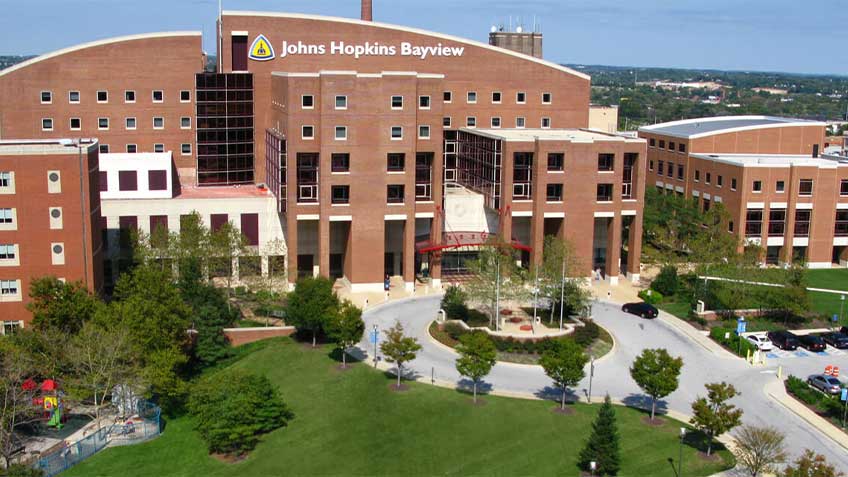
Johns Hopkins Arthritis Center

RAVE Mobile provides interactive, point-of-care, practice improvement tools for rheumatologists and other clinicians.

Kidney involvement in systemic lupus erythematosus (SLE, lupus) is an important predictor of and contributor to morbidity and mortality from lupus. The approach to treatment for lupus nephritis is that of an induction phase of therapy (with cyclophosphamide vs mycophenolate mofetil) followed by long-term maintenance therapy. However, the optimal agent for chronic immunosuppression to prevent relapse or worsening of renal SLE is unknown.

Fibromyalgia has no cure and the management of this condition is difficult. Both pharmacological and non-pharmacological approaches are considered essential to assist these patients in better managing their illness. Exercise also has been shown to improve symptoms and quality of life in multiple studies.

Abatacept is a selective T-cell co-stimulation modulator that has demonstrated efficacy for the treatment of rheumatoid arthritis in patients who have failed treatment with methotrexate. Until recently, abatacept was only available as a monthly intravenous infusion. In August 2011, the FDA approved the use of subcutaneous abatacept for the treatment of moderate to severe rheumatoid [...]

The development of antidrug antibodies to biologic therapies, notably drugs that consist of monoclonal antibodies (such as adalimumab and infliximab) has been reported in patients with rheumatoid arthritis. However, the clinical significance of these antidrug antibodies in the long-term follow up of RA patients is unknown.
Tofacitinib (Xeljanz®) is the first of a unique class of oral kinase inhibitors to be FDA approved for the treatment of rheumatoid
Depression and anxiety are more common among individuals with arthritis than among the general population. Yet, these mood disorders are
TNFα inhibitors have demonstrated great efficacy for the treatment of rheumatoid arthritis (RA). However, they are not without potential
Copyright Johns Hopkins Arthritis Center © 2013